


Renter-Friendly Wall Panel Ideas
Moving into a new rental often feels like stepping into a sea of monotony, magnolia or even the dreaded millennial-greige. This makes it feel rather drab to live in the often clinical and boxy rental homes of the 21st century, especially if you’ve been renting for a long time. To make matters worse, the monotony often feels permanent because you are nervous about losing your deposit and can’t commit to making any changes.
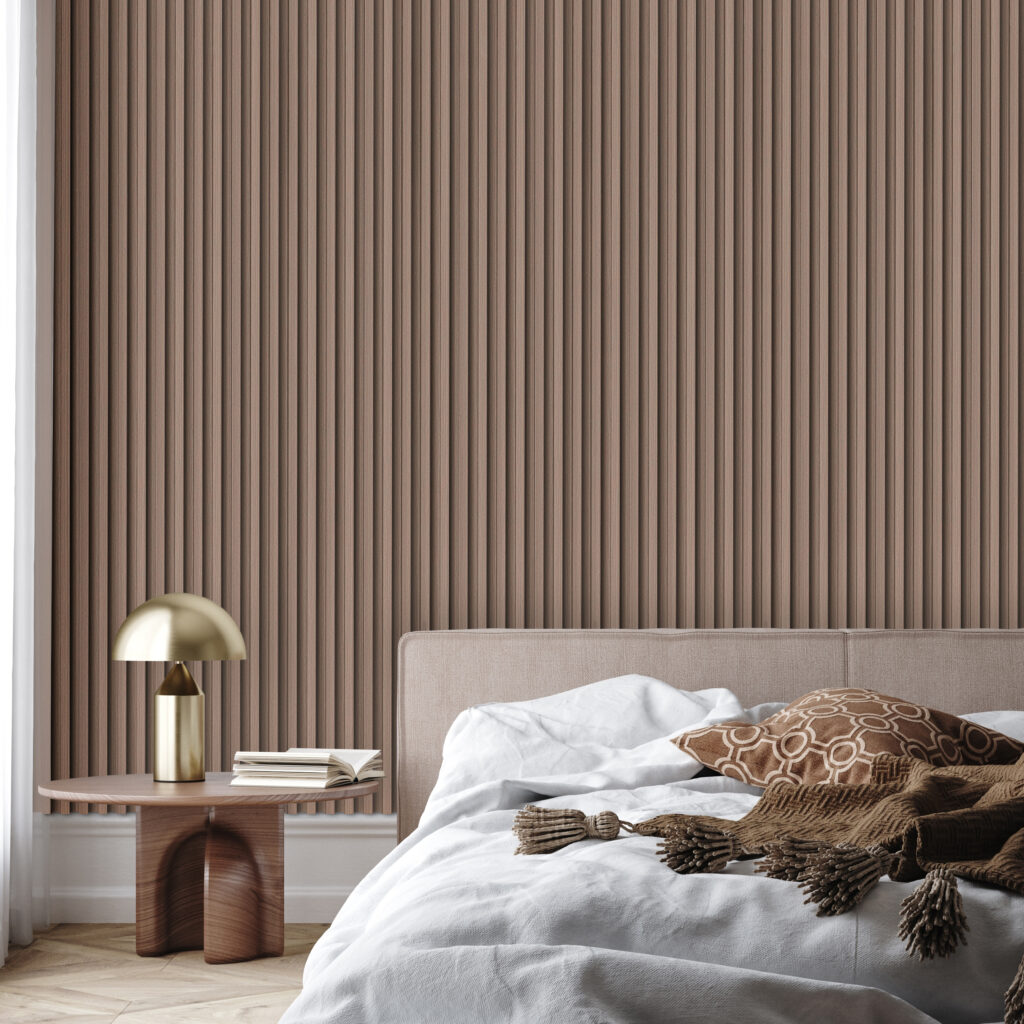
Fear not. It is possible to bring life to a rental home and add personal touches that are easy to install and simple to remove. Wall panels are a versatile way to inject personality into your bedroom, hallway, or living space without making permanent changes. Read on to find out how to install them, the best areas to use them and a couple of alternative renter-friendly wall covering options.
Installing wall panels the renter-friendly way
Regardless of whether you own or rent, installing wall panels is an easy, weekend DIY project that isn’t going to have you pulling your hair out after 5 minutes on the job. Simple, hassle-free and quick, here’s how you can install wall panels in your rental home:
What you'll need
- Tape measure
- Pencil or marker pen
- Stud finder to find solid wood studs behind your wall
- Fine-tooth hand saw or an electrical jigsaw
- Spirit level
- Electric drill with drill and screwdriver bits
- 3mm x 12mm screws and wall plugs (drywall anchors) for plasterboard
- Acoustic wall panels
- Filler/spackle and sandpaper for patching holes later

Only acoustic panels should be used in rentals, as they do not require adhesive to install. We don’t recommend using adhesive when installing wall panels in a home that you’re renting, as it could cause damage to the existing wall finish. It is important to note that acoustic panels are not water-resistant and should not be installed in bathroom or kitchen areas where they will be in direct contact with continuous flowing water.
While you’ll still have to screw a few small holes into the wall when installing acoustic wall panels, these are easily patched up once your lease is up. This means you can add a personal, functional flair to your home without worrying about your deposit.
How to install renter-friendly wall panels
The process of installing acoustic - or renter-friendly wall panels - is not too different from installing other wall panels. The main difference is that you won’t be using any adhesives. Here’s how we recommend installing them:
1. Prepare
Before beginning the installation, you’ll need to prepare both the panels and the area you’re looking to install them. To prepare the panels, calculate the number of panels you’ll need to cover the area and order the right amount. To prepare the area, ensure the surface where you plan to install them is clean, dust-free, smooth and straight.
2. Decide on your renter-friendly design
Acoustic slat panels can be installed vertically, horizontally or diagonally. The way you install them depends entirely on the kind of style you’re looking to achieve.
3. Measure twice, cut once
This is where installation truly begins. Once you’ve received your panels, it’s time to measure and cut them to fit the wall area you’re looking to panel. Always double-check your measurements before cutting each panel and mark the measurements on the back with a pencil. Then, cut along your marketing using either a sharp, fine-toothed hand saw or an electric jigsaw. Always cut your panels with the decorative side facing downwards.
4. Securing and support prep
Now, for the wall, mark the panel centre and screw positions to ensure you know where you’ll be installing the screws. Use your stud finder to locate studs, which are ideal for direct, secure installation. If there aren’t any, plan to use your wall plugs.
5. Install your renter-friendly wall coverings
Installing the panels should be done from left to right or from top to bottom, depending on the design you chose. Drill pilot holes in the screw positions that are wide enough for plugs or screws and, if you’re using them, tap the wall plugs flush into the wall. Finally, you can drive the screws through the panel edges into the wall and secure your panels to the wall. Be sure to use your spirit level to confirm that the panels are straight before driving the final screw.
And just like that, you’ve added a personal touch to your home without permanently altering the walls. By using acoustic panels, you’ve also created a quieter, more atmospheric space.
Unique renter-friendly designs using wall panels
Wall panels are about more than just covering a whole room. Here are some alternative ways to use wall panels to add a personal touch to your bedroom, hallway or living space:
Headboard
Create a bespoke headboard by mounting a few panels horizontally behind your bed. It adds texture and a focal point without the need for bulky, expensive furniture. Opt for our Walnut Acoustic Slat Panels for a warm, inviting vibe or our Natural Oak Acoustic Slat Panels if you’re going for a more nature-inspired look. By using acoustic wall panels, you’ll also subtly dampen sound and make your bedroom a more restful place.
Feature wall
Focus on a single wall to add depth to a living room or home office. It is a brilliant way to hide any pre-existing scuffs or marks on the original rental paintwork, while also adding a personal touch to your space. For a seamless installation, use our End Cap Trims, which can be purchased in a variety of colours, including charcoal and grey oak.
Half-wall panelling
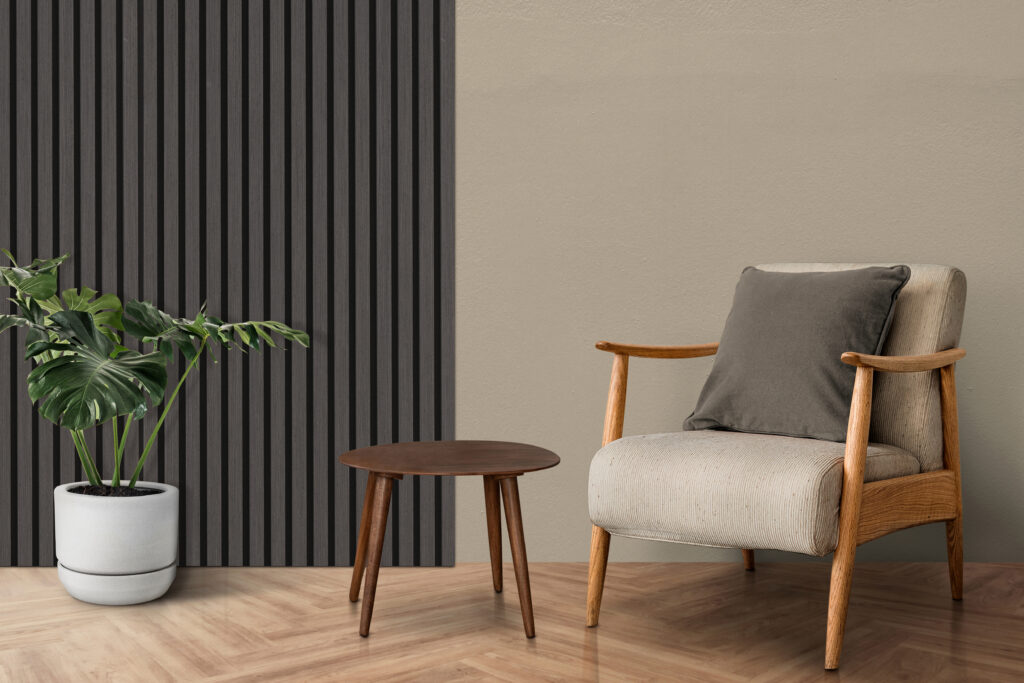
For a classic look, try installing panels only a portion of the way up the wall. This "dado rail" approach adds character and protects the lower half of your walls from daily bumps and scrapes, perfect for those looking to hold onto their deposit.
Other renter-friendly wall coverings
Everyone deserves to live in a home that feels like their own, regardless of how long the tenancy lasts or whether you’re allowed to screw a couple of holes into the walls. If your landlord has made it clear that putting holes in the walls is a definite no-go, then these renter-friendly wall coverings are a good alternative to wall panels:
1. Peel-and-stick wallpaper
This is a popular choice for adding bold patterns or vibrant colours without the commitment of traditional paste. While it is designed to be temporary, it can sometimes leave a sticky residue behind or, in some cases, pull away loose paint if the wall wasn't properly primed before application.
2. Paint
A fresh coat of paint is the quickest way to transform a room, provided you have written permission from your landlord. Keep in mind that most tenancy agreements require you to paint the room back to its original "neutral" shade before you move out, which can be a time-consuming task at the end of a lease.
3. Fabric tapestries
These are excellent for covering large areas of wall quickly and adding a soft, bohemian touch to a bedroom or living area. However, fabric tends to collect dust and allergens quite quickly, so they require regular vacuuming or washing to keep the room feeling fresh.
Wall panels offer a durable, high-end alternative to these options. They provide a structural look that wallpaper and fabric cannot match, and because they are designed for easy installation and removal, they offer a sturdy solution with minimal fuss.
FAQs
Is wall panelling renter-friendly?
Yes, some of them are! Acoustic wall panels offer a hassle-free, renter-friendly installation that allows renters to add a personal touch to their home and create a quieter environment without causing permanent damage. Acoustic wall panels are easy to install and remove, making them ideal for those looking to spruce up their home without worrying about their deposit.
Can you drive screws into a wall in a rental?
As these holes are small and easy to fill, most landlords don’t have an issue if you mount things on the wall using screws or nails. However, it is always best to get definitive permission from your landlord before making any changes to your rental home.

AS FEATURED IN


