


How To Use Wall Panels To Create A Hidden Door
If there’s one thing that will bring some practical whimsy into your home, it’s a hidden door. Whether you’re looking to spark joy by hiding away a messy pantry or you want every trip to your storage under the stairs to feel like an adventure, a secret panel door is a fantastic way to blend function and fun.
At DBS Bathrooms, we love helping you find innovative ways to transform your living space. So, we thought we’d provide you with some tips on using wall panels to create the perfect, seamless hidden door. Using wall panels is one of the easiest ways to create a high-end look without a professional price tag.
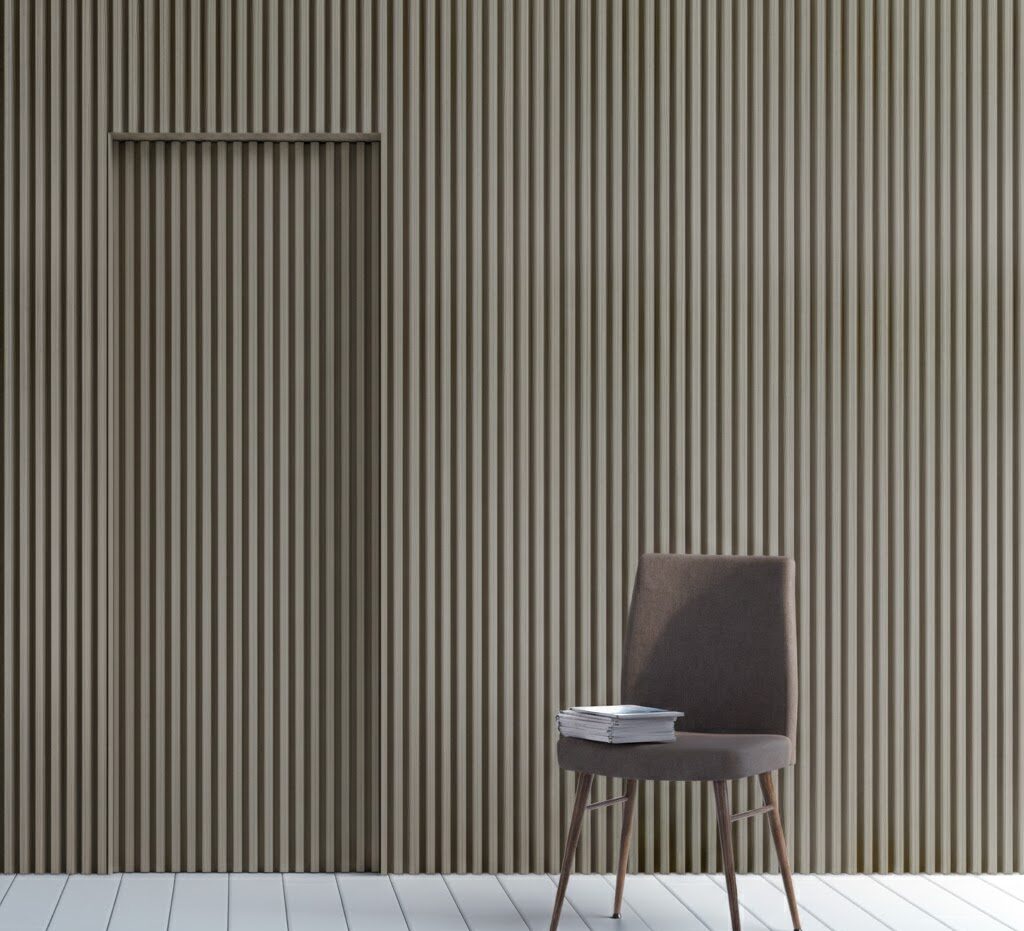
Benefits of having a hidden door
A hidden door brings more than just whimsy and a sense of novelty. It is a clever design solution that comes with many benefits:
- Clean design: Traditional door frames and architraves can break up the visual flow of a room. A hidden door wall panel system allows your walls to look like one continuous surface, turning them into a sleek focal point of your interior design.
- Size-conscious design: In tight hallways, smaller bathrooms and compact kitchens, a visible door can make the area feel cluttered. A flush, hidden entrance keeps the space feeling open and airy.
- Privacy-conscious design: Sometimes you want a room to be just for you, a hidden gem that’s safe from prying eyes or curious kids. A secret panel door provides that extra layer of privacy that you want for a home office or en-suite bathroom.
- Clutter-free design: Using a hidden door to mask functional but unsightly spaces is a no-brainer. Turn your boiler cupboard, pantry or laundry nook into a sleek feature wall.
The secret panel door: Why use wall panels for a hidden door
When it comes to creating that perfect ‘now you see it, now you don’t’ effect, wall panels are your best friend. Unlike paint, which can crack at the seams, or wallpaper, which can peel at the edges, wall panels provide a sturdy, 3D texture.
A slat wall hidden door is particularly effective. The vertical lines of the slats naturally draw the eye up, which helps to disguise the vertical join of the door. This architectural trickery adds a bit of vibrancy to your living space while ensuring the door remains completely camouflaged when closed.
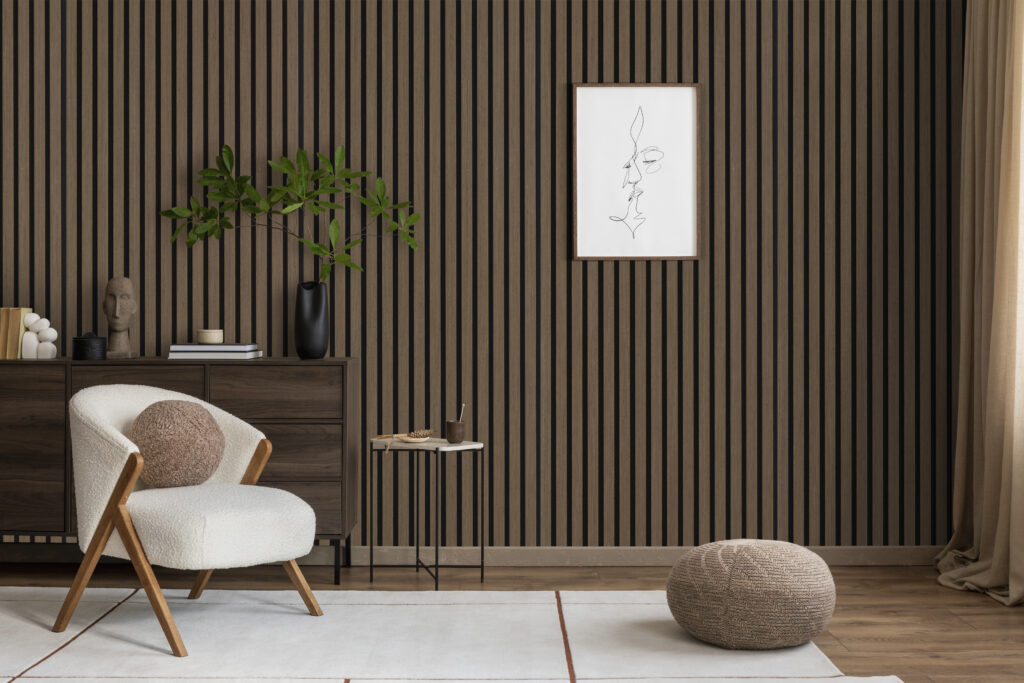
How to install hidden doors using wall panels
You don’t need to be a master magician to pull off this trick. Follow these steps to install your hidden door wall panel feature:
Prep the opening
Before installation, you may need to do some demolition. If you have skirting boards or any casing around your door, you’ll need to remove all of that to ensure there is a flat surface to install your wall panels.
You may also need to replace your door hinges, as concealed hinges are ideal for this kind of install. This may require you to remove and replace the door jam as well, as concealed hinges are not compatible with all door jams.
Install your hinges
Once your wall and doorway are prepped, it’s time to install your door jam, concealed hinges and then reattach your door.
We recommend consulting with a professional for this step if you need it!
Align your panels
Once your door is attached and ready to go, it’s time to tidy up the area where you’ll be installing your wall panels. Be sure to clean the surface of your walls and door to be sure the panels can be attached securely.
Next, you need to prepare your panels. Using slat wall panels to create your hidden door creates the cleanest effect. The key here is to measure both the area you’re panelling and the panels very carefully to ensure that the door jams align perfectly with the slats in the wall panels. As always, we recommend you measure twice and cut once.
Cut your wall panels to fit both the size of your door and the area surrounding it. You’re essentially cutting the door shape out of your panels to allow a clean installation.
Secure your panels
Using a silicon adhesive and screws, you need to fasten your panels. Apply adhesive to the back of the panels. Install the panels from left to right, using a spirit level to ensure the panels are straight.
Once this is done, give your adhesive 24 hours to set and then screw fastenings into the substrate under the panel. For a more detailed explanation, have a look at our guide on installing slat wall panels.
Add your trimmings
To create a sleek look, install skirting boards and corner trims.
DBS Bathrooms inspiration: Where to use hidden doors
Here are some areas where we think hidden doors work best:
- En-suite: Make your main bedroom feel like a luxury villa by hiding the entrance behind a stunning feature wall.
- Walk-in robes: For a clutter-free space, keep your clothes behind a seamless wall of panels.
- Under the stairs: Turn that awkward triangular space into a secret panel door that leads to a hidden storage space.
- Hallway storage: Keep coats, bags and shoes tucked away behind a slat wall hidden door in your entryway.
- Pantries: Give your kitchen an ultra-modern, streamlined look by hiding your food storage.
FAQs
What modern wall panel designs work well for living room hidden doors?
We recommend using salt wall panels for most hidden doors, including one you’d like to install in your living room. This is because the vertical lines of the slat panels provide a natural camouflage for the seams of the doorway you’re trying to conceal. Other benefits include:
- Easy to install
- Additional insulation & soundproofing
- Water-resistant
- Easy to clean & scruff-resistant
Will a hidden door work well in a small bathroom?
Yes, a hidden door is a good addition to a small bathroom. Hidden doors allow for better visual continuity, privacy and insulation. If you opt for a pocket door, you’re also able to improve accessibility and maximise floor space by removing the need for door swing clearance.
What are some creative ways to use wall panels in my home?
In addition to using panels to create a hidden door in your home, you can also use them to:
- Colour drench: Panel your space from floor to ceiling (yes, including the ceiling) to create a seamless, moody room cocooned in one colour.
- Height & depth manipulation: By installing wall panels to different heights and in different directions, you can make a room look like it’s a completely different size.
Feature headboards: By installing a striking wall panel headboard in your bedrooms, you can breathe life into your space.

AS FEATURED IN


