


Wall Panelling Headboard Ideas for Stylish Bedrooms
For those looking to elevate their bedroom without having to do an entire remodel or spend hours deciding on the next best paint colour, a wall panel headboard is a great place to start. Versatile and diverse, wall panels allow you to create a headboard that suits your design preferences and your budget.
In this guide, we’ll outline the benefits of a wall panelling headboard, provide some ideas on how to achieve certain styles and help you understand how to install your headboard yourself.
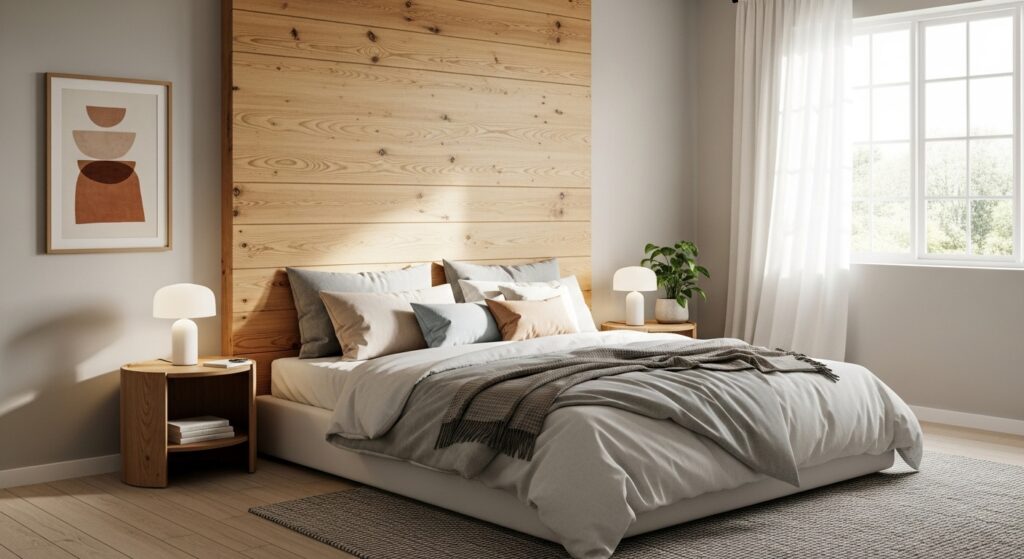
Why wall panelling feature headboards are the perfect bedroom upgrade
It’s easy to get overwhelmed when deciding on a design feature like a feature headboard. There are endless options out there: floating headboards, metal headboards, wallpaper headboards, upholstered headboards and more.
For those looking for something versatile, durable and unique, a wall-panel headboard is a great option. They’re also great for those who want to add a personal touch to a rental home. Regardless of the size, style and material you’d like your headboard, wall panelling has some great benefits:
- Wall panelling is easy to install. The process is so simple, you won’t need to call in professional help or prepare for an IKEA-style meltdown ahead of time.
- They’re durable and easy to maintain. Aside from abrasives and bleach, our wall panels can handle just about anything.
- Unlike other headboards, wall panel headboards can be used to improve the acoustics of a room. Elevate your bedroom design while also enjoying the benefits of effective sound absorption.
- With a wide range of designs, colours and textures, you’re guaranteed to find a wall panel headboard that suits your own personal design preferences.
Wall panel headboard ideas: Creating the style you want
Simple Scandi style: Prioritising form and function
To achieve the minimalistic, natural aesthetic of Scandi design, you need to prioritise texture, function and light tones. Light oak slat wall panels are the ideal material here. The thin, evenly spaced slats bring a strong vertical element that draws the eye up, making the room feel larger.
Frame the panelling a little wider than your bed and let the natural lines of the wood be the feature. This approach ensures your wall panelling headboard is an addition that feels quiet and calm, rather than loud and overbearing.
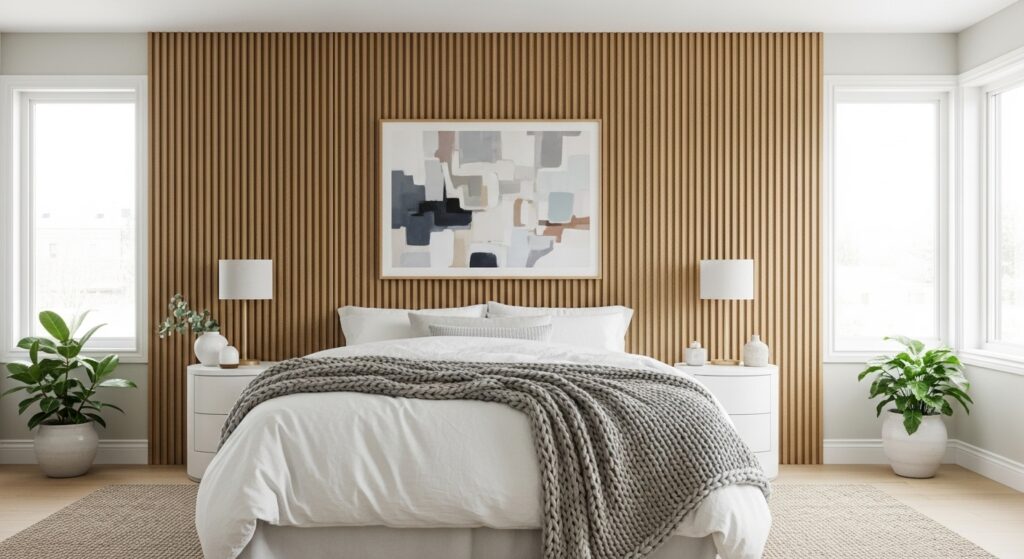
Speaking of loud and overbearing, the panels are also excellent for acoustics, subtly dampening sound and making your bedroom a more restful place. This style works best when you keep it simple and sleek. For small rooms, consider a half-wall headboard. While not as effective at soundproofing as a full-wall headboard, they are a good option if you don’t want to overwhelm the space.
Industrial style bedroom: Using brick and concrete panelling
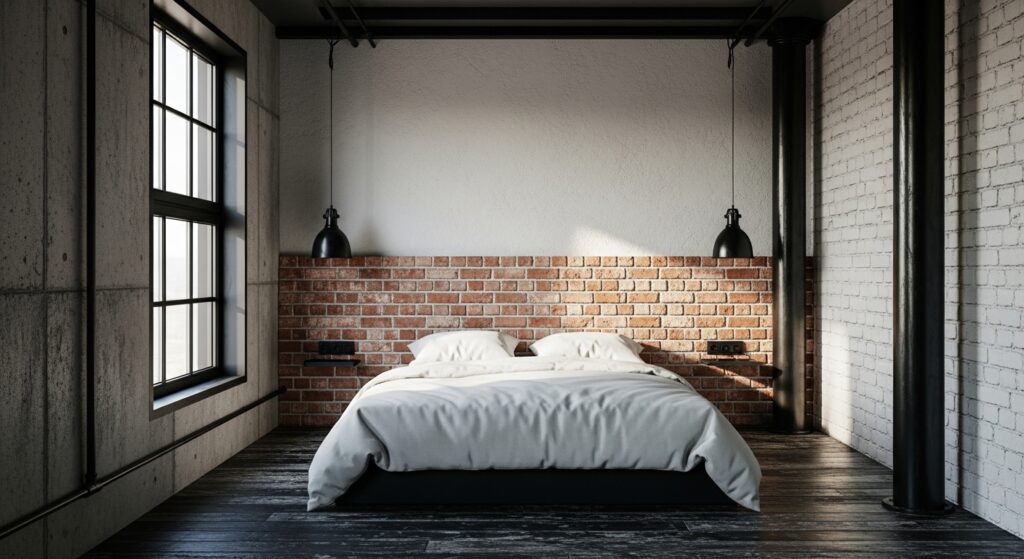
Creating an industrial style bedroom means incorporating raw materials and urban edge. For a feature headboard that truly stands out, look beyond traditional wood-effect panelling and use brick and concrete panelling instead.
Modern wall panels replicate the rough, textured finish of exposed brick or polished concrete perfectly, but offer a much smoother, warmer surface than the real thing. This is crucial for a headboard, as you want the aesthetic without the abrasive texture.
To use this style effectively, keep your surrounding bedroom decor minimal. Think black metal fixtures, simple bedding, and hard-textured lighting fixtures. By keeping the brick or concrete panel narrow and focused immediately behind the bed, you create a defined, high-impact feature wall without overwhelming the entire space.
Seaside elegance: Natural textures and light colours
For a timeless, coastal-inspired bedroom, you need materials that reflect the soft, relaxed feel of the seaside. Think driftwood, white sand and the soft greens that you find at popular summer holiday spots around the world. Bright white or wood-effect panels are the best choices here. These styles use clean, vertical lines to offer a soft, structured feel.
When choosing the panels, opt for light, neutral colours like white, off-white, pale grey or soft sage green. Ideally, the material should have a subtle texture to mimic painted timber. Unlike the Scandi style, this look often requires the panelling to span the entire width of the wall or extend halfway up the wall. This gives the bedroom a more traditional feel, and the extended coverage adds to the light and airy feel, completing the classic coastal elegance look.
Something that stands out: Using texture and bold colours
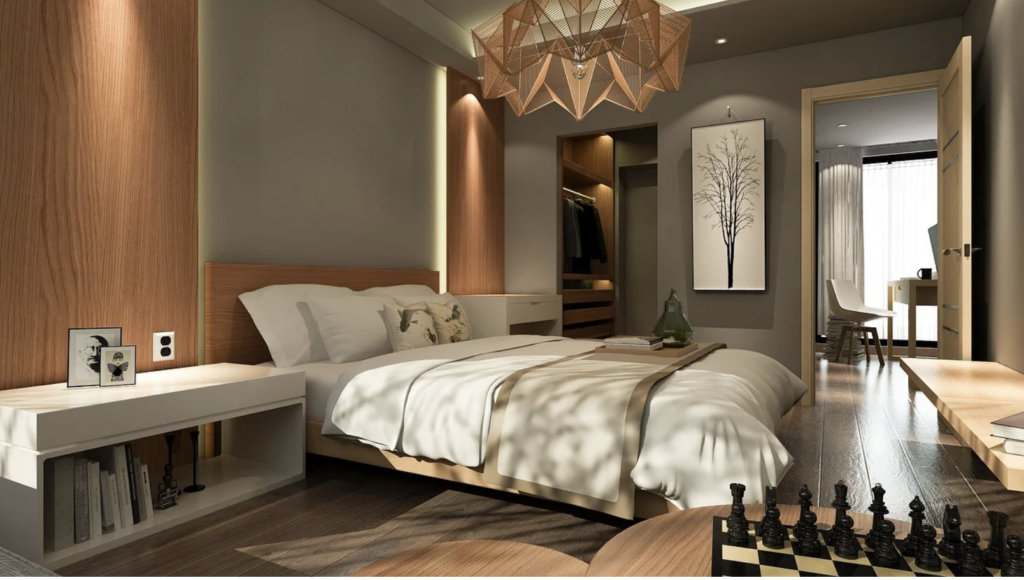
If you want your bedroom to make a big impact, a feature headboard is an easy way to add some flair. This contemporary approach uses panels in creative, non-traditional ways, focusing on incorporating bold colours and interesting textures. This look works exceptionally well with high-gloss panels, which allow for striking, uniform colour application.
Instead of sticking to a standard rectangle, consider installing panels in a unique shape. A wide arch or a series of asymmetric blocks that extend up the wall and even onto the ceiling line. Finish the look with a deep, dramatic colour like black or deep purple to create a unique, high-end feature that transforms the function of your wall panelling headboard into a piece of art.
Installing your wall panelling feature headboard
One of the big selling points of using wall panels to create a feature headboard is the easy installation. You’ll need to prepare the area, get your toolbox out and make sure the wall panels are cut to size. Once that’s done, it's a fairly simple, easy-to-follow process.
We have a step-by-step guide on installing wall panels that will take the head-scratching out of your headboard installation. You can either read the guide or watch the video.
FAQs
How do I clean my wall panel feature headboard?
All you need to clean our wall panels is a cloth and warm, soapy water. Avoid using bleach or abrasives, as these will tarnish the panels.
Can I attach accessories to my wall panelling headboard?
Yes, you can attach almost anything to the panels. Be sure to make sure there is sufficient support from the wall beforehand.
How many panels will I need?
To work this out, you’ll need to measure the size of the area you’d like to install your panels on. Once you’ve done this, you need to divide the width of the area by the width of each panel. This will give you the amount of panels you need.

AS FEATURED IN


