


Tips For Using Acoustic Wall Panels: A DBS Guide
In addition to being extremely popular, acoustic slatted wall panels come with a wide range of benefits for those looking to upgrade their home. Whether you’re a homeowner looking to renovate, a DIY enthusiast who can’t stop tinkering or someone looking to manage interior sound levels, acoustic wall panels are an easy to install solution that packs a punch.
They offer the perfect solution by combining premium Scandinavian design with excellent sound absorption properties. This way you can avoid echo and unwanted noise, while also ensuring you create a space that is well-designed and aesthetically pleasing. In this guide, our experts share everything you need to know about using acoustic slatted wall panels to elevate your home.
What are acoustic wall panels?
Acoustic wall panels are functional, decorative wall coverings designed to improve the interior sound quality of a room. Unlike standard wall treatments, acoustic paneling is specifically engineered to reduce echo, absorb sound waves and control reverb. This creates a much quieter and more comfortable living environment.
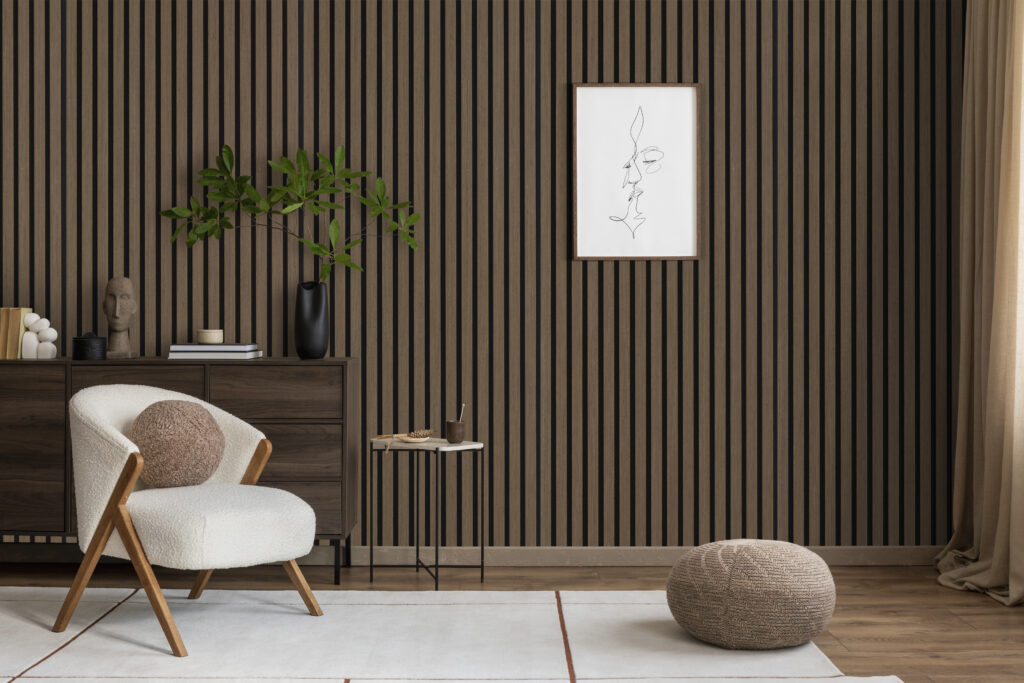
At DBS Bathrooms, we offer a collection of acoustic slatted wall panels that combine both style and performance. Our durable MDF slatted panels are finished with a high-quality wood veneer and set onto a strong PET polyester sound-dampening felt backing.
The key benefits acoustic wall panels in the home
Investing in sound proof panels will bring a wide variety of aesthetic and functional advantages to your home. The benefits of acoustic wall panels extend far beyond basic noise reduction, turning any flat or uninspiring room into a peaceful retreat from the outside world.
The key advantages of acoustic wall panels include:
- A noticeable reduction in ambient noise levels throughout your home
- Improved focus and stress reduction for those who work or study from home
- Quick and easy maintenance with no requirement for regular staining or oiling
- Better privacy between rooms by limiting sound spill between open spaces
- Easy installation that can be done without the use of professionals
- Class 1 fire-rating to ensure excellent safety inside your home
The best ways to use acoustic wall panels in the home
Acoustic slatted wall panels are incredibly versatile. They can be fitted horizontally or vertically, depending on your preferences. You are also able to use them in various areas of the home, given that they’re water and heat-resistant. Here are the best ways to introduce these stunning panels into your living space:
Media walls and home cinemas
Creating a dedicated media wall is one of the more popular ways to use acoustic wall panels in the home. Installing them on the wall behind your TV and speakers will improve the sound quality when watching or listening to something at home. The acoustic properties of the panels can crisp up vocal quality, handle sound reflections from speakers and stop audio from leaking into other rooms. To get the movie-house look, try our Charcoal Acoustic Slat Wall Panels for a moody and impactful space.
Living room feature walls
Hardwood and laminate flooring have been a favourite choice for living rooms over the years, however they can make everyday chatter and footsteps boom around the room. If you want the timeless appeal of hardwood flooring, but need to soften the harsh sounds they create, then acoustic wall panels are a great choice.
Creating a feature wall from our Natural Oak will help dampen the sound, while also adding texture, depth and a unique design feature that can breathe life into any living room.

Bedroom headboards and accents
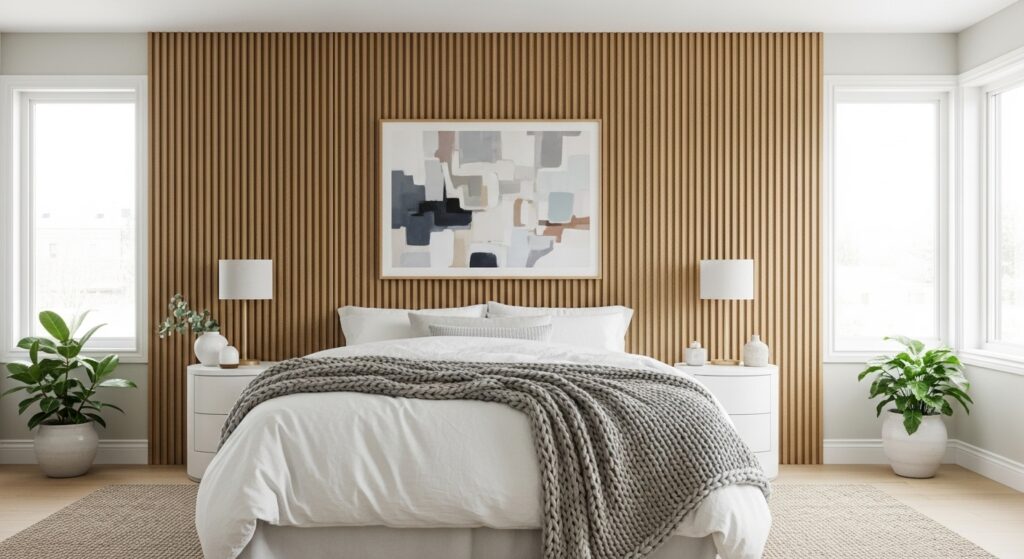
Creating a bedroom headboard or accent is a great soundproofing option for renters and homeowners. Using acoustic wall panels in the bedroom creates a calm sleeping environment, which is essential for those who prioritise good health.
To incorporate a wooden slatted acoustic headboard or feature wall into your bedroom, you can place them in a smaller section behind your bed for a chic headboard. Alternatively, you can use a full vertical layout to make your ceilings feel higher. By opting for acoustic wall panels, you can create a luxury feel while dampening noise coming into your bedroom for better sleep.
Home offices and study spaces
With more people working from home since 2020, it's becoming key to set up a quiet, clutter-free spot where you can get focus work done and be uninterrupted in meetings. Placing acoustic panelling directly behind or opposite your desk gets rid of distracting echoes and quietens your home environment.
In addition to helping you maintain focus throughout the day, our slatted panels also provide a sleek, professional-looking background so you can skip the pre-programmed meeting backgrounds.
Dining room walls
Dining rooms with hard surfaces often suffer from high echo when entertaining guests. Adding wooden acoustic wall panels can soften both the clatter of cutlery and the hard design edges within your living room.

Key issues to consider when using acoustic wall panels
While acoustic wall panels offer exceptional benefits, there are a few practical elements to consider before making your purchase. First, they are not completely soundproof, meaning they absorb sound reflections rather than blocking external noise entirely. Additionally, because they feature an MDF and felt structure, they should not be installed inside wet areas like shower enclosures. For those wet zones, we recommend 100% waterproof PVC wall panels to guarantee full protection against water damage.
FAQs
How do you fit acoustic wall panels?
Fitting these panels is a quick and straightforward DIY project. First, ensure your walls are clean, dry and level. Cut the panels to size with the decorative face pointing downwards using a fine-tooth hand saw or jigsaw. Apply a high-quality grab adhesive to the back of the panel in straight strips or eye shapes every 5cm. Slot the panels together using the integrated tongue and groove system, then check they are straight with a spirit level. For extra security, you can screw through the felt backing directly into the wall once the adhesive sets. Read our slat wall panel installation guide for a more detailed explanation.
How do you clean acoustic wall panels?
Maintaining your panels is incredibly simple and hassle-free, making them ideal for busy households. Unlike authentic solid timber options that require recurring treatments like oiling, sanding or staining, these wood veneer finishes are virtually maintenance-free. To keep them looking fresh and free from dust, simply wipe the surface clean with a dry, lint-free cloth at regular intervals. Avoid using soaking wet cloths, harsh chemical cleaners or abrasive scrubbing brushes, as excessive moisture and tough chemicals can potentially damage the beautiful decorative wood effect finish and the underlying felt backing.
How effective are acoustic wall panels?
They are highly effective at controlling interior sound quality. By utilizing a dense PET polyester felt backing behind the MDF slats, the panels actively absorb sound waves instead of allowing them to bounce off hard walls. This significantly reduces echo, controls reverberation and lowers ambient noise levels. While they will not completely block out loud external noises from neighbours, they dramatically transform the internal atmosphere. This creates a quieter, calmer and more productive environment with noticeably improved speech clarity during conversations or video calls.
What are the key benefits of acoustic wall panels?
The key benefits include outstanding sound absorption that minimises echo, alongside a Class 1 fire-rating for peace of mind. They offer a stylish, modern Scandinavian aesthetic that effortlessly updates outdated rooms. Available in premium finishes like Walnut, Natural Oak and Charcoal, they adapt to any decor. They are highly durable, lightweight and require zero long-term maintenance. Furthermore, the user-friendly tongue and groove interlocking design ensures that homeowners, renovators and renters can complete a professional-looking installation quickly and affordably without hiring expensive contractors.

AS FEATURED IN


