


How To Choose The Perfect Bath
Baths are one of the quintessential highlights of your routine, turning a stressful day at the office or a jam-packed outing with the kids into a relaxing moment of calm.
Taking a bath is the perfect opportunity to spend some quality ‘me time’, soak the day away and emerge feeling like a whole new you. So, when it comes to designing your bathroom, making sure you choose the perfect bath is the ultimate cherry on top to ensure your bathroom serves as your very own sanctuary.
Whether you’re looking to add a bath to your en-suite, kit out your family bathroom or add the finishing touch to your personal home spa, here’s how to choose the perfect bath to level up your bathing experience.
Types of baths
There really is a bath for every bathroom and budget, but making sure you choose the right type is important for curating the overall vibe of your space, as well as keeping in mind functionality and usage, too.
Here are some of the most popular types of bath to choose from:
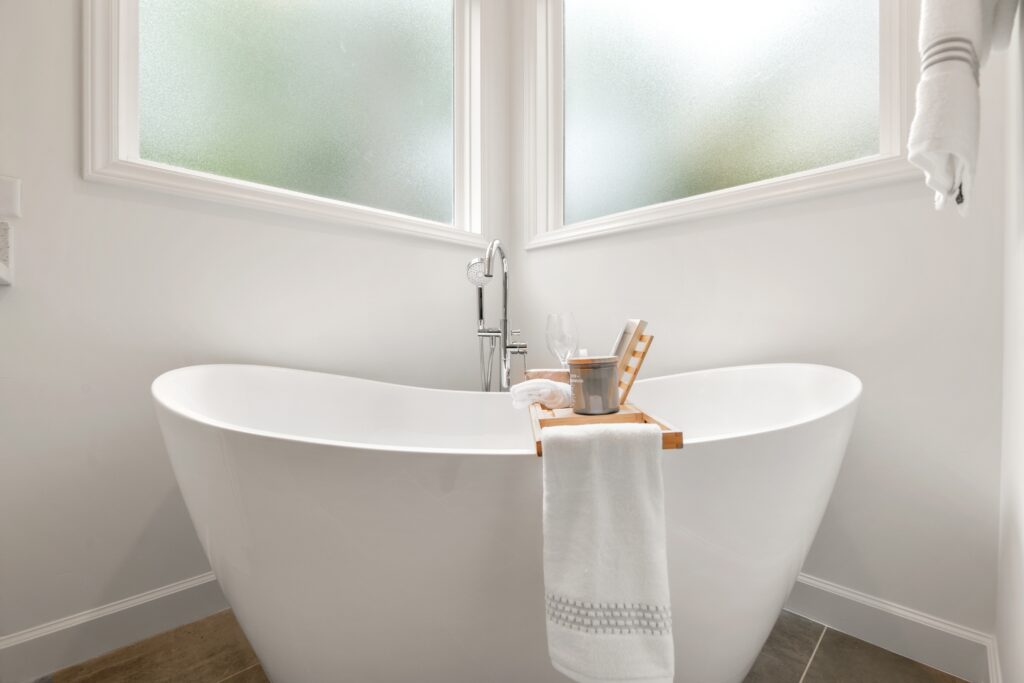
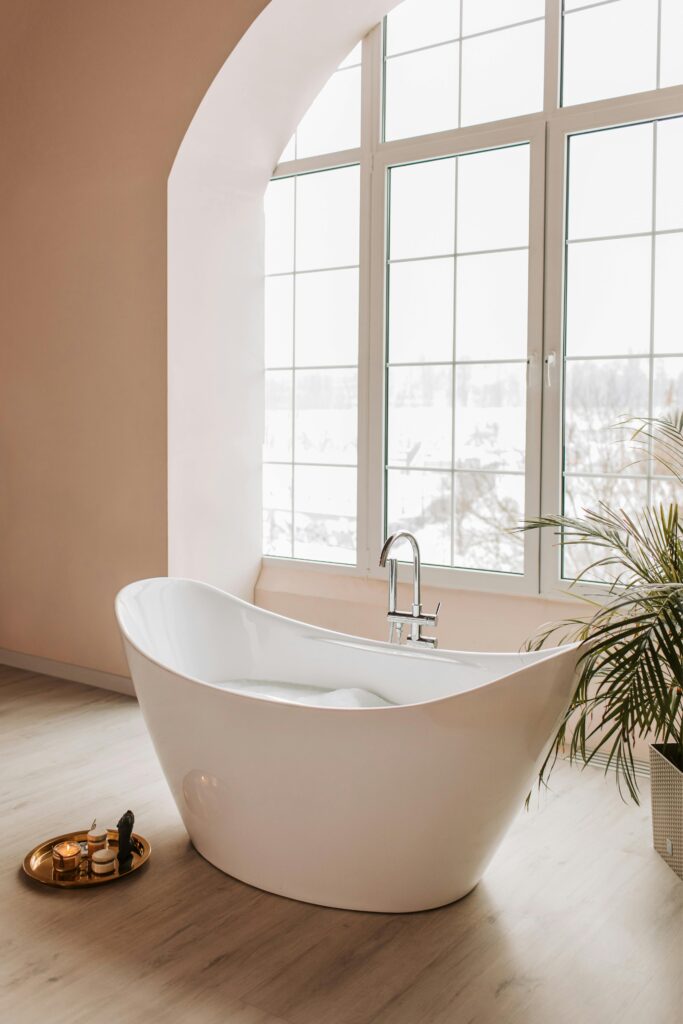
Freestanding baths
Freestanding baths are the ultimate mark of luxury bathrooms, adding a sleek and timeless feel to your space and creating a lavish focal point.
Unlike other popular bath styles, freestanding baths can be placed away from walls and are usually found in the centre of bathrooms, making them ideal for tying together larger bathrooms with ample floor space.
While freestanding baths are the most popular, they can also be on the pricier side, so it’s worth factoring in costs if you’re set on incorporating a freestanding bath into your bathroom plans.
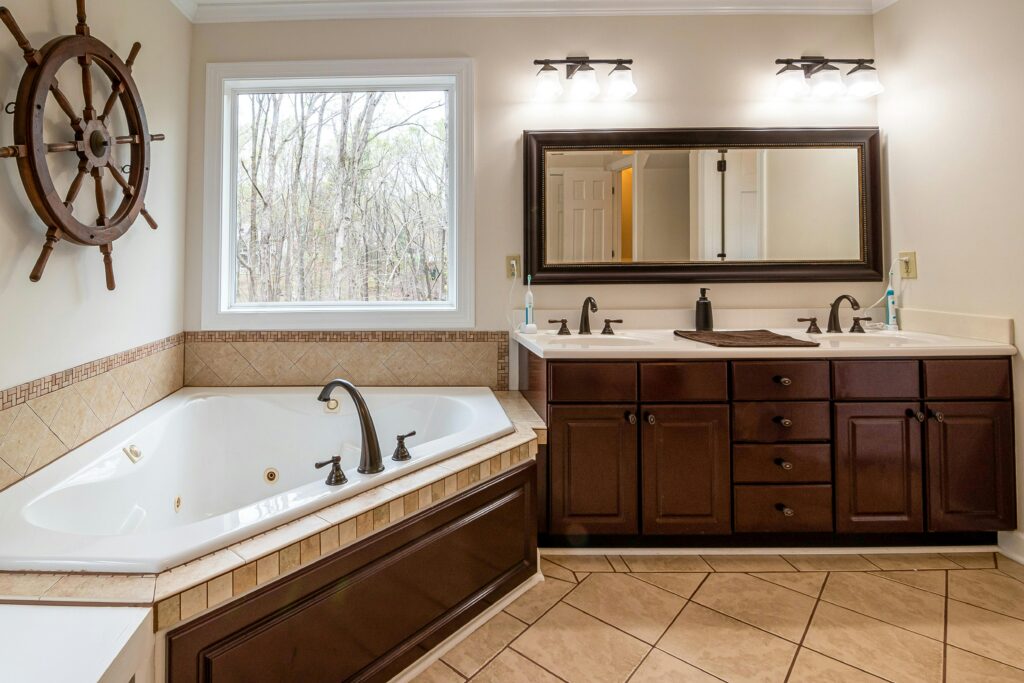
Corner baths
As the name suggests, corner baths fit into the corner of your bathroom and are great for awkwardly shaped rooms or for making use of empty areas.
For added luxury, corner baths can be raised on platforms or with steps leading in, making it feel like you’re submerging in your very own spa tub. These baths are typically wider and shorter, making them the perfect bath choice for long soaks, but not so much for those who like to stretch out.
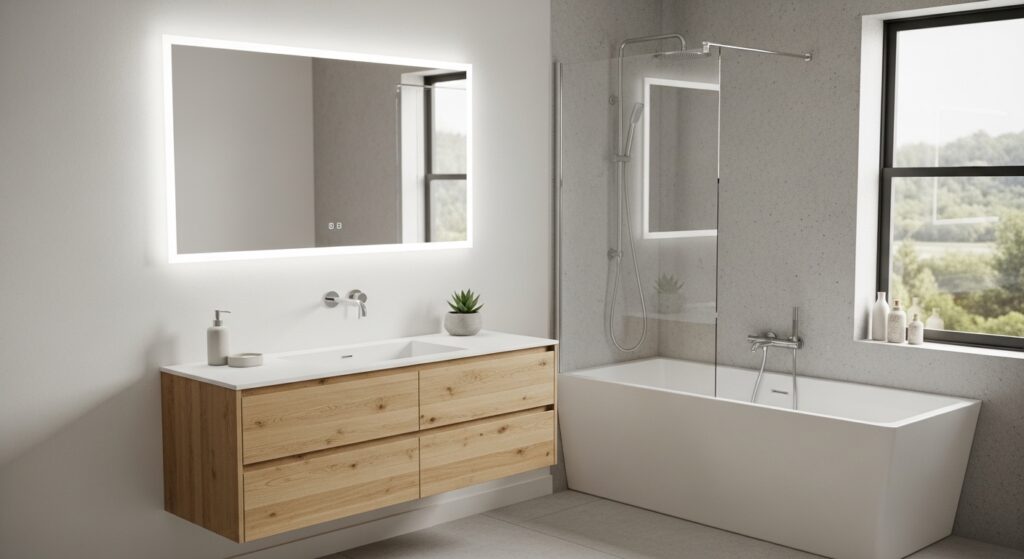
Shower baths
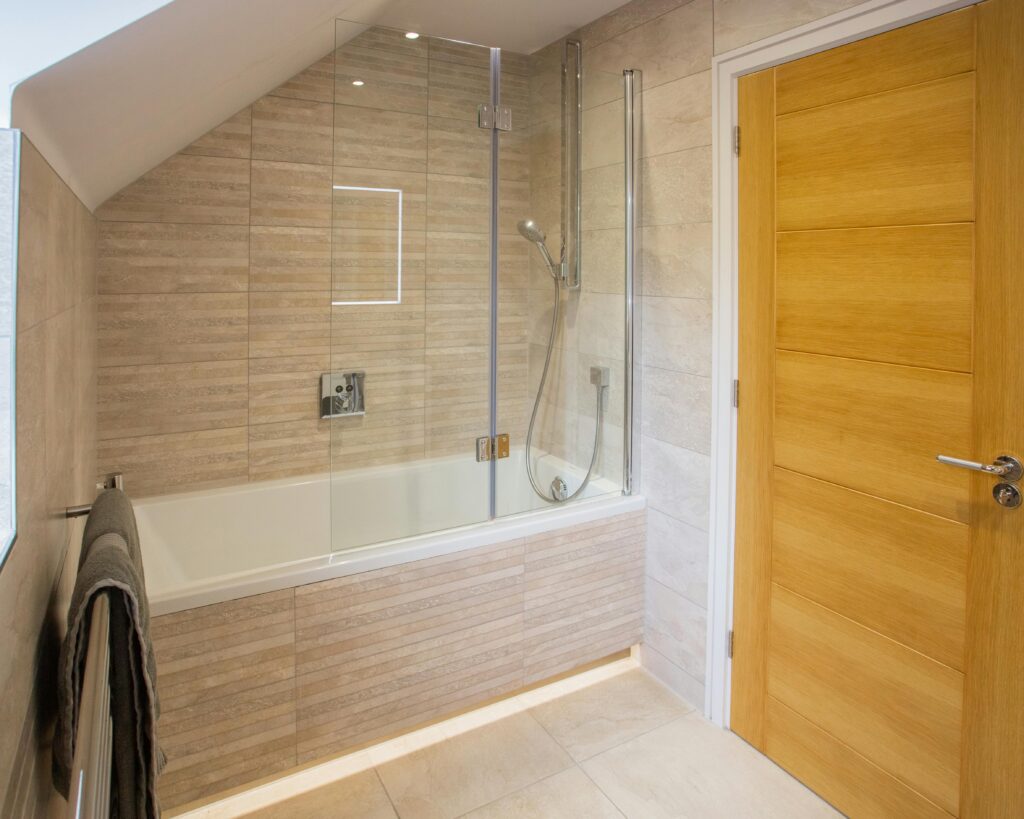
Shower baths are one of the most common types of baths, suiting a variety of family bathrooms and compact en-suite layouts.
Shower baths allow you to incorporate a bath and a shower all in one, suiting those who like the convenience of a shower with the option of an indulgent weekend soak.
With shower baths, you can choose from P-shaped, L-shaped and J-shaped baths, allowing you to add a bath into irregular-shaped rooms with ease.
Whirlpool baths
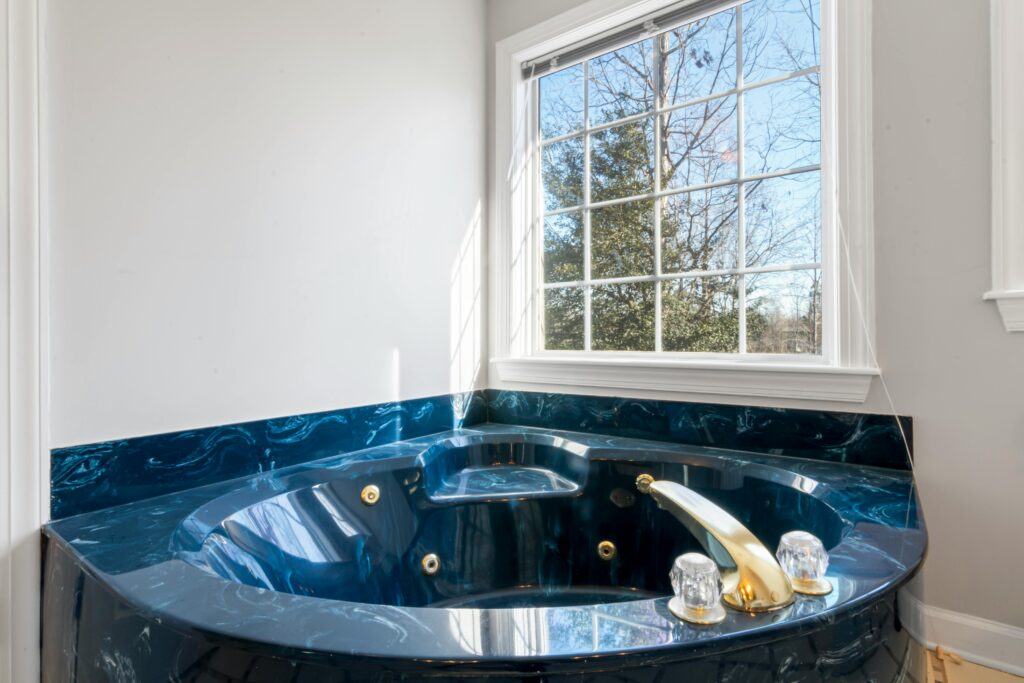
For the most indulgent bathing experience around, you can’t go wrong with a bubbly whirlpool bath with built-in water jets.
Whirlpool baths come in a variety of shapes and sizes, from corner baths to classic rectangular baths, and can even come with in-bath water heaters to maintain a cosy temperature during longer soaks.
Choosing between bath materials
Although choosing the right bath material can feel like a minor decision, different materials offer different price points and practical benefits, as well as impacting the overall aesthetic of your bathroom.
The most common bath materials are:
- Acrylic: Lightweight and affordable, with an easy-to-clean finish. Acrylic baths are widely used in making different shaped baths, and come in many colours and styles to suit a range of aesthetics.
- Enamelled steel: Heavy, strong and durable - ideal for high-traffic family bathrooms. Heavier baths often require floor reinforcements before fitting, which is something to consider when planning out your bathroom renovation cost and timescale.
- Cast iron: Extremely durable, scratch-resistant and insulating, although much heavier than enamelled steel. Cast iron baths are perfect for those looking for a more classic, luxury finish in their bathroom.
- Stone resin: Durable and retains heat, yet is limited with styles and shapes. Stone resin baths are well-suited to a more minimalistic, modern bathroom aesthetic.
How to choose the right bath size for your space
When selecting your new bath, it’s important to consider the size of your bathroom, including the distance to doorways and other fixtures, so you don’t overcrowd your space.
Measure the width and length of your bathroom and map out where you want your bath to sit before heading out to find the perfect bath for your room.
In the UK, the average bath size is 1700mm long and 700mm wide, although smaller and larger baths can be found and are worth considering if you are renovating a compact en-suite or have space for a luxurious, statement bath.
Customise your bath with panelling
Bath panelling is the secret to a cohesive, high-end look, allowing you to design a seamless and professional finish for your bath while adding an extra layer of durability.
To panel your bath, simply construct a timber frame under your bath lip, cut your panels to size and secure them to the frame surrounding your bath.
The most popular way to use bath panelling is to match it directly to your wall finish. By using the same PVC panels for your bath as you have on your walls, you create a built-in effect that makes your bathroom feel larger and more polished.
Alternatively, you can use bath panelling to create a contrast. If your bathroom features neutral colours, tile-effect or patterned panels can act as a centerpiece and tie accent features together.
5 top tips for choosing the perfect bath
Making sure you choose the right bath for your needs and budget can make or break your bathroom renovation project.
Here are our five top tips to bear in mind, so your bathroom transformation can get underway without a hitch:
- Measure accurately - dig out your trusty tape measure and make a note of all of your bathroom dimensions before bath shopping, accounting for tiling, alcoves and abnormal room shapes.
- Think about usage - consider whether your bath is going to be used for long weekend soaks or as a practical addition to your family weeknight routines, and choose a bath that comes with the functionality you need.
- Prioritise must-haves - make a list of the must-have bath features that you can’t compromise on within your budget, including styles and colours, durability and special features such as water jets or LEDs.
- Consider bath maintenance - smooth and curved shapes are easier to clean and maintain compared to more complex designs, and heavier materials are typically more resistant to wear and tear.
- Don’t forget comfort - taking a bath should be a comfortable, relaxing experience, so make sure you think about bath height, length and functionality, too!
Choosing the perfect bath is about designing a dedicated space for relaxation that fits your lifestyle. Whether you opt for a grand, freestanding statement piece or a space-saving shower bath, making sure you consider the aesthetic and practical benefits of your bath ensures your bathroom is fit for years to come.
Explore our bathroom design blogs to inspire your bathroom transformation, and browse our range of panelling to match your new tub today!
FAQs
How much does the average bath cost?
The cost of a new bath can vary significantly depending on the material, style and size of bath you are going for.
Baths in the UK typically cost up to £1,000 for budget-friendly options, and can range between £1,500-£2,000 for more high-end, luxury options, including cast iron baths and whirlpool styles.
What is the best bath style for smaller bathrooms?
The best bath styles for smaller bathrooms and en-suites maximise floor space without compromising on functionality and comfort.
Multi-functional shower baths are a great option for small bathrooms, alongside corner baths that optimise your space and leave plenty of room for movement.
Do I need a big bathroom for a whirlpool bath?
Whirlpool baths with built-in water jets are available in a variety of shapes and styles, so you can add a touch of spa-like luxury to your bathroom no matter the size! Simply measure the space you have available and select a whirlpool bath size that fits your room, opting for a compact corner bath in smaller bathrooms or a large freestanding style for those wanting to make a statement in larger spaces.

AS FEATURED IN


