


Slow Decorating: A Guide to Mindful Interior Design
Moving into a new home or redecorating the one you have can be a really exciting time. The prospect of a blank canvas to play with, or painting over the current masterpiece to create a new one, means you can reinvent your space the way you want it. Now, with speedy online shopping, you’re only ever a few clicks away from having your new home decor delivered faster than you can clean the space ahead of its arrival.
This kind of instant gratification is not inherently a bad thing. However, there is another option. Slow decorating offers a more mindful, sustainable approach to creating a home you love that has the appeal of a slow burn with a deeply satisfying ending. By browsing, shopping around, and getting in touch with what you actually want, you’re able to bring life to your home with design choices and furniture pieces that truly reflect what you love and how you live.
Read on to find out more about slow decorating and how this mindful approach to interior design can help you find the joy in slowly unfurling into a space instead of haphazardly scattering yourself around it.
What is slow decorating?
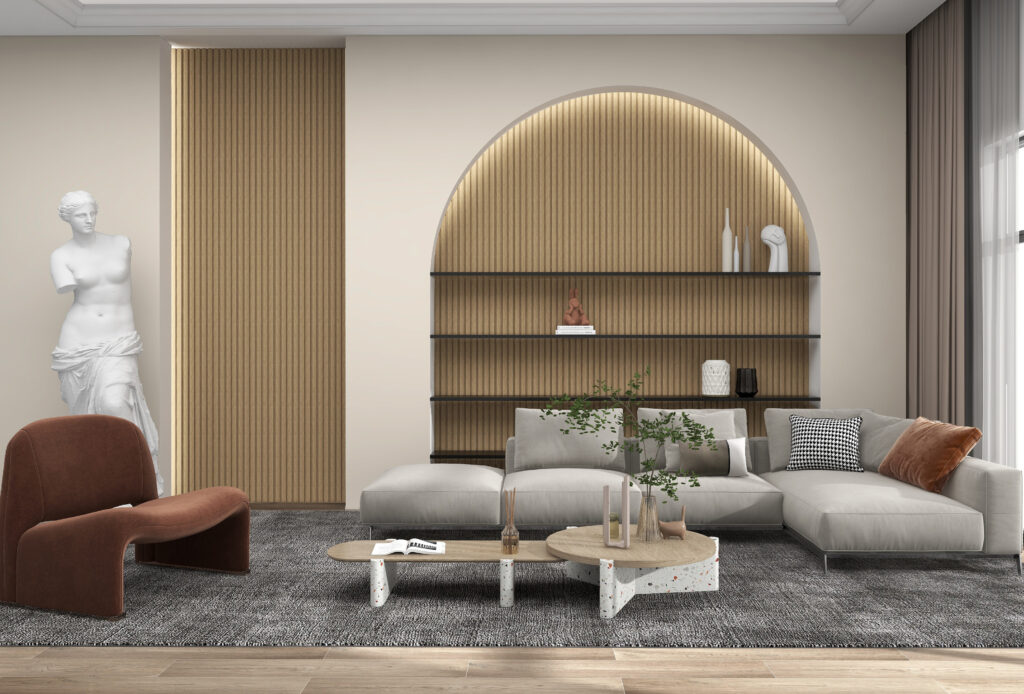
Slow decorating is an interior design practice that prioritises taking your time when designing and furnishing your home. It’s about being deliberate, slowing down to understand what you truly want, choosing quality over speed, and avoiding impulsive purchases you might regret later. We’ve all fallen victim to the passing trends of the season, perhaps buying a coffee table, light fixture or wall paint that was more a sign of the times than a reflection of our unique style. With this mindful interior design approach, you’re able to avoid buying things you’ll want to replace in two years’ time.
Instead of rushing into filling up a room or home, slow decorating encourages you to focus on collecting pieces that hold sentimental value, reflect your personal style, and are designed in a way that’s functional for you. This is a philosophy that is suited to those looking to decorate their space mindfully, putting sustainable home design above the latest trends.
Why choose slow decorating?
Going at a slow pace allows you to draw out the design process, making it more about the journey and less about the finished product. In addition to allowing you to create a home you truly love spending time in, it also has many practical benefits:
Less stress without a deadline
By decentering the finished product, you’re able to take the pressure off getting there within a certain amount of time. This way, there is no longer the stress or pressure that comes with a tight deadline. You're allowing yourself the freedom to live in a space first, understand its true function, and let the design evolve naturally.
Spreading the expenses over time
Whether you’ve moved into a bigger home or you’re redecorating your current one, decorating can be a massive financial undertaking. With slow decorating, there's no need to make rushed decisions on expensive items. You’re able to manage the costs by purchasing items and carrying out renovations in stages. This can make high-quality, sustainable home design more accessible and easier on your budget.
Trend-proof design
Fast trends come and go as quickly as the seasons do, often leaving you with a home that feels dated within a year. By choosing classic, quality items that genuinely speak to you, you create a timeless and authentic style that doesn’t need constant updating.
How to slow decorate
The two most important things to remember when deciding to slow decorate are to accept that you’ll never be done and to shop with intention. You’re never going to buy a piece of furniture or decor and think: ‘Finally, I never have to buy another thing for my home again!’, so remembering that you won’t be done is key. Other bits to keep in mind include:
Start with the walls
The walls are the foundation of any room, especially in areas like bathrooms or kitchens where function is critical. Don't rush into a quick paint job that will peel or a tile installation that will require endless grout scrubbing. Instead, choose a lasting solution that not only sets the perfect aesthetic tone but also simplifies maintenance.
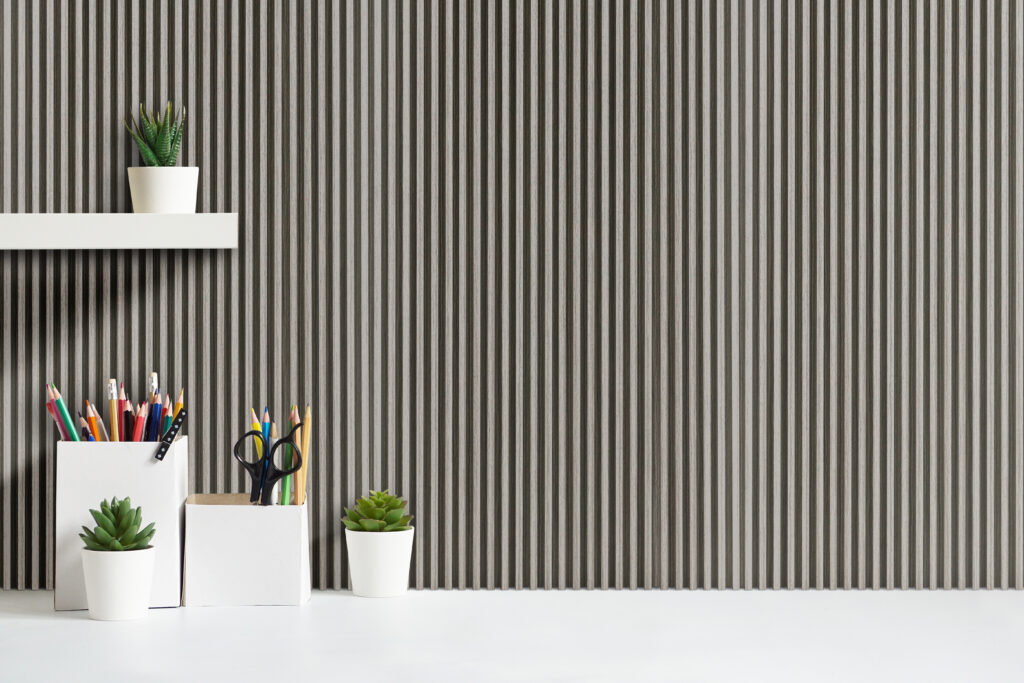
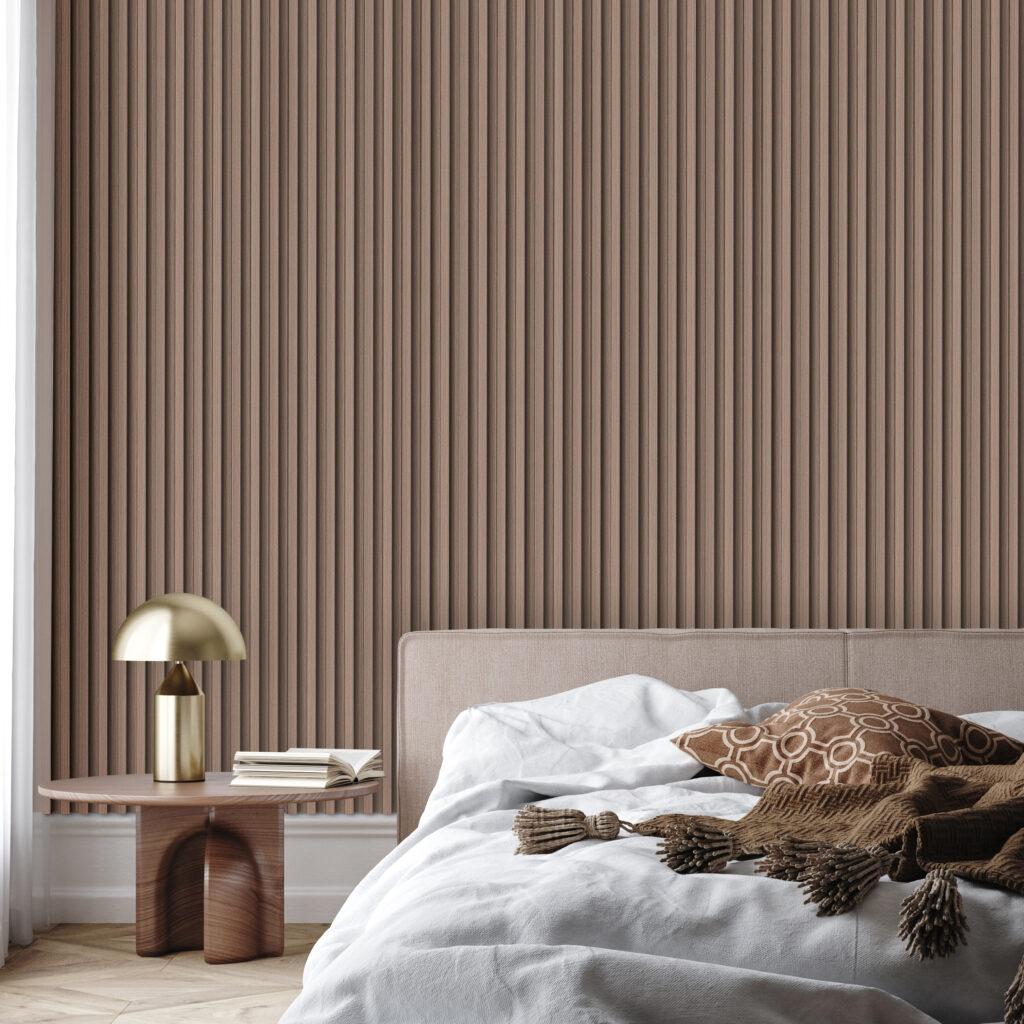
Rather than going for a basic white paint backdrop, take the time to understand what colours and textures you really love and invest in them. Consider using wall panelling to add pops of unique colour, like red, natural wood or ebony. Panelling offers a simple solution that is easy to install and easy on the budget.
Save and splurge
Mindful design doesn't mean everything has to be expensive. It means prioritising where and when you spend your money. Splurge on items that are difficult or costly to replace, such as a quality couch, a durable mattress, or, most importantly, your wall and floor coverings. Save on accessories or smaller pieces you can easily swap out later.
Have the patience to wait and use what you have
Resist the urge to buy something just to fill a space. Embrace the temporary void and take the time to research, browse, and shop around. Sometimes, the perfect piece might be one you already own, but simply needs a fresh location or a little TLC. Patience is the ultimate tool in the slow decorating toolkit, ensuring every purchase is deliberate.
Know yourself and your space
Before buying anything, spend time in the space. What is the natural light like? How do you actually use the room? Your home should support your daily life, not just look good in a photo. When selecting materials, opt for solutions that align with your lifestyle. For example, if you prefer a relaxing, low upkeep environment, choose surfaces that are virtually maintenance-free.
Keep balance at the forefront
Slow decorating is about creating harmony. This applies to both the visual balance of colours, textures and styles, and the conceptual balance of old and new, inexpensive and investment pieces. Your space should feel collected and layered, not like a showroom.
Consider upkeep and maintenance
A slow home is a low-maintenance home. When selecting materials, always consider how much effort will be required to keep them looking good. This is especially true for damp environments like bathrooms. Choosing solutions that are easy to clean, such as hygienic wall panels with their grout-free finish, significantly reduces your long-term maintenance burden.
Consider the environmental impact
Sustainability is a key pillar of mindful interior design. Ask yourself: Is this piece ethically sourced? Is it built to last? Choosing durable, long-lasting materials is the most significant way to reduce your home’s environmental footprint. By investing in quality over quantity, you reduce waste and your need to replace items frequently.
FAQs
How long should slow decorating take?
There is no set time frame; it could take months, or even years, and that is perfectly fine. The idea is to progress at a pace that feels comfortable and natural to you.
Is slow decorating expensive?
The initial cost of high-quality, durable pieces can sometimes be higher, but since you are spreading out the purchases and buying items that last, it can be more cost-effective in the long run. You avoid the recurring cost of having to replace low-quality, trendy items.
Where should I start if I want to slow decorate my bathroom?
Start by assessing the function and deciding on a foundational solution. Given the long-term nature of slow decorating, choosing a durable, hygienic, and easy-to-install solution like PVC panels is a practical starting point, as it provides a lasting, tailor-made finish that you won't need to replace for years.

AS FEATURED IN


